
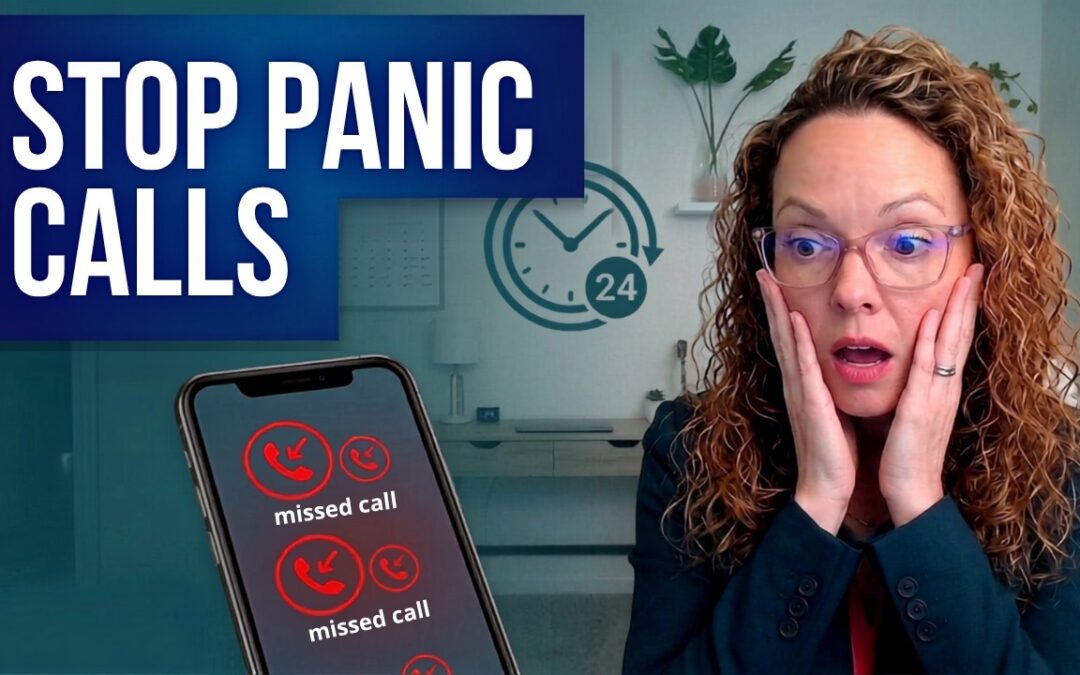
What if your podcast could calm client anxiety before your inbox fills with panicked questions?
This episode breaks down the “flash episode” strategy: a short, timely podcast or YouTube update you can release when an external event creates confusion, concern, or decision pressure for your audience.
This might be a sudden market drop, a major tax law change, a regulatory update, a banking scare, an interest rate decision, or another headline your clients are likely to ask about. Rather than letting the news cycle shape their emotions before you have a chance to speak, a rapid-response episode gives you a calm, compliant, and scalable way to provide context.
Planned Content Protects Your Sanity
When I help financial professionals map out podcast content for the quarter, one common concern is, “What if something happens and we need to respond?”
The answer is not to abandon planning. Planned content gives your show structure, sustainability, and breathing room. When your evergreen episodes are already mapped, a timely update can be inserted intentionally instead of turning your entire production calendar into an emergency.
Your planned content is not a cage. It is the structure that gives you room to respond well.
What a Flash Episode Should Do
A flash episode is not a full production masterpiece. It may be five to eight minutes long, recorded quickly, and published as a bonus episode, YouTube update, or client resource.
The goal is to acknowledge what happened, explain what it may or may not mean, remind listeners of the bigger picture, and clarify what action, if any, they should take.
For a market drop, that might sound like: “Here is what we are watching, why short-term movement does not automatically change a long-term plan, and which questions are worth asking before making a decision.”
Compliance Still Matters
If you work in a compliance-heavy environment, prepare your process before you need it. Create a repeatable outline, pre-approved disclaimer language, a standard review path, and clear boundaries around predictions, performance claims, promissory language, and client-specific recommendations.
A simple framework can help:
- What happened?
- Why are people reacting?
- What are we watching?
- What does this mean in context?
- What should listeners avoid doing impulsively?
- When should they reach out?
Use Timely Episodes Sparingly
Not every headline deserves your microphone. A flash episode should be reserved for moments when your audience is likely to feel worried, confused, or pressured to make a decision.
When used well, this kind of episode becomes one of the most trust-building pieces of content you release all year because it arrives when people actually need your voice.
Action Steps From This Episode
- Build a quarterly content plan around evergreen topics, client questions, and search-friendly education.
- Create a rapid-response episode outline before the next major market or legislative event happens.
- Decide whether flash episodes will replace a scheduled episode, publish as a bonus, or live primarily on YouTube.
- Prepare compliance-friendly language in advance so timely content can move more smoothly.
- Use rapid-response episodes to create clarity, not panic, and to guide listeners back to their larger plan.
If you want your podcast to support both evergreen trust-building and timely client communication, download the free Podcast Conversion Blueprint. It will help you structure your show around strategy, conversion, and a clearer path from listener to lead.
Recent Comments